
What a Modern HR Dashboard Should Show You in Under 10 Seconds
Hajir Khata Team
Share this article:
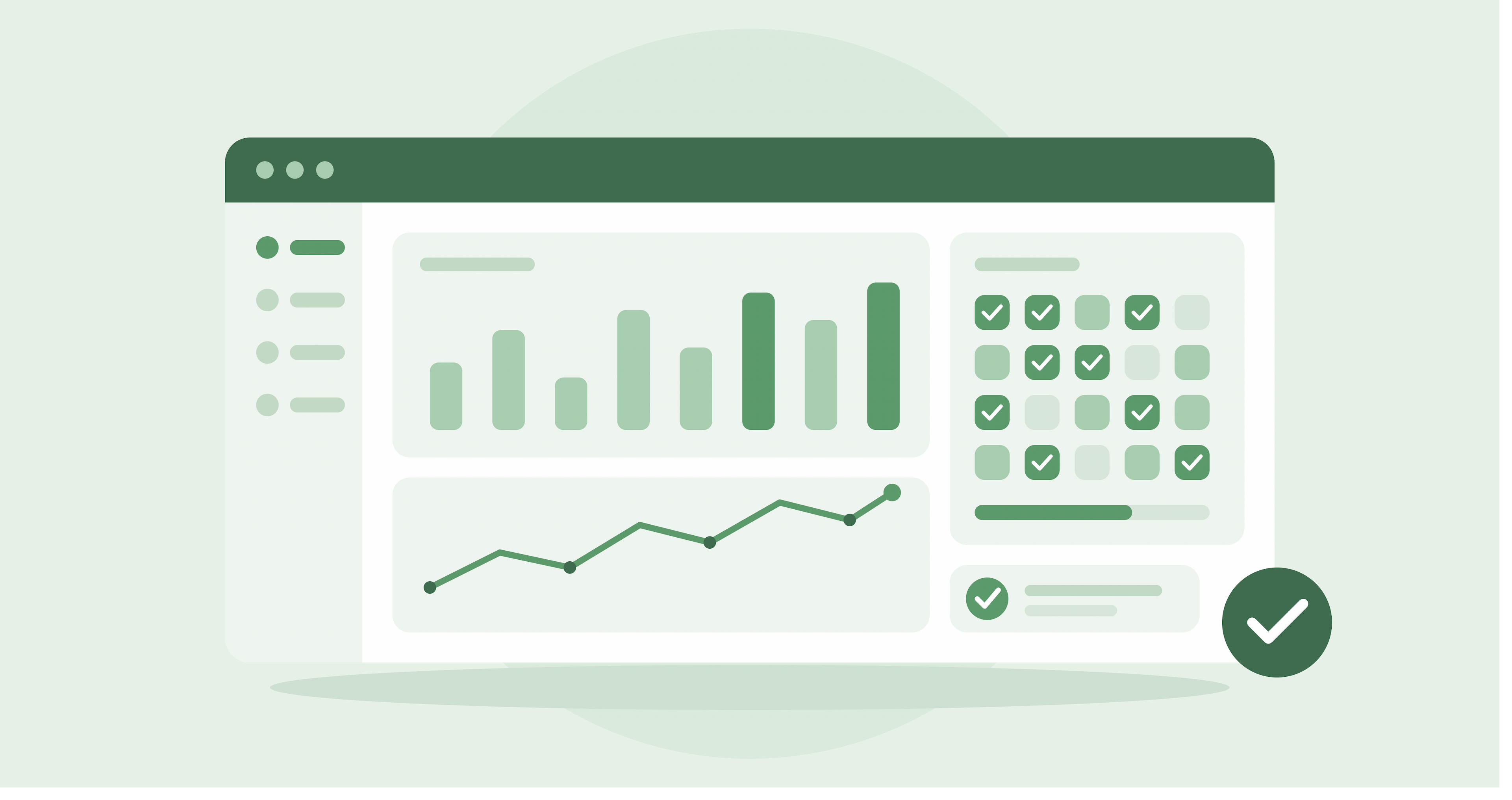
Short answer: A modern HR dashboard should answer three questions within ten seconds of opening it — who's present right now, who's on leave, and whether this payroll cycle is ready to run — without requiring a manager to open a separate report for each one.
Real-time attendance, not yesterday's data
A dashboard that shows attendance as of last night's batch export isn't actually real-time — it's a report with a delay. A live dashboard reflects who has clocked in today, right now, pulled directly from biometric or mobile check-in data as it happens.
Leave status at a glance
Rather than cross-referencing a separate leave spreadsheet, a manager should be able to see who's on approved leave today, and who has a pending request waiting on approval, from the same screen as attendance.
Payroll readiness, before the cycle closes
The most useful dashboards flag payroll issues before the cycle closes — an employee with no attendance recorded for several days, or a leave request still pending approval that will affect this month's pay — rather than surfacing the problem only after payroll has already run incorrectly.
Why this matters more than a longer feature list
An HRMS with dozens of features but a cluttered, slow dashboard often ends up used for only a fraction of what it can do, because the daily-use screen doesn't surface what a manager actually needs to check every morning. A dashboard designed around those three questions — who's in, who's on leave, is payroll ready — tends to get used consistently, which is what actually makes an HRMS valuable day to day.
Ready to streamline your attendance and payroll processes?
Discover how Hajir-Khata can help your business save time and reduce errors.